
Salt...
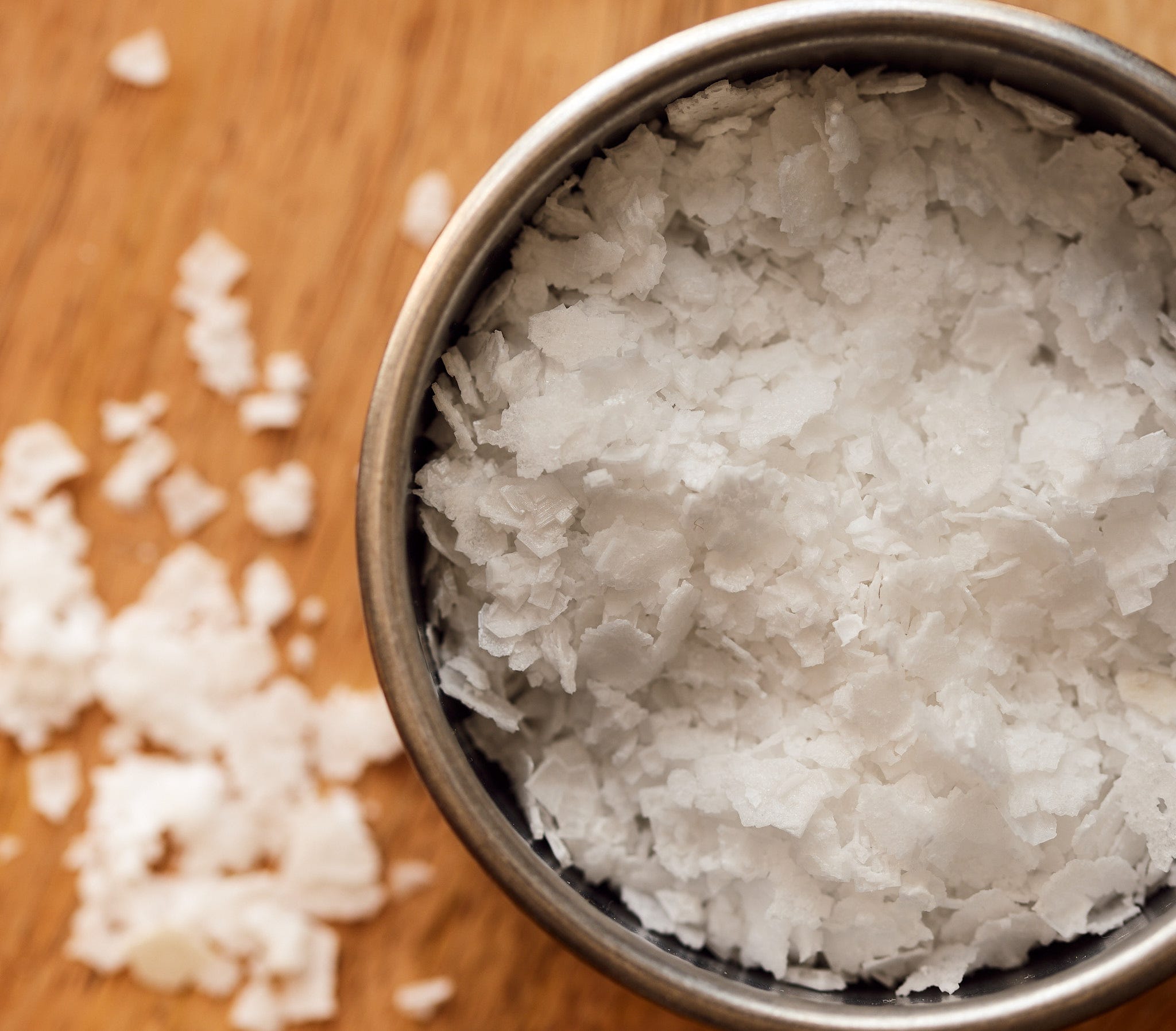
Salt is probably one of the most used condiments in our kitchens, often with very little thought given to it. The thing that can elevate a basic meal to a delicious one, something humans cannot live without and a simple ingredient that has shaped trade and history across the world for centuries.
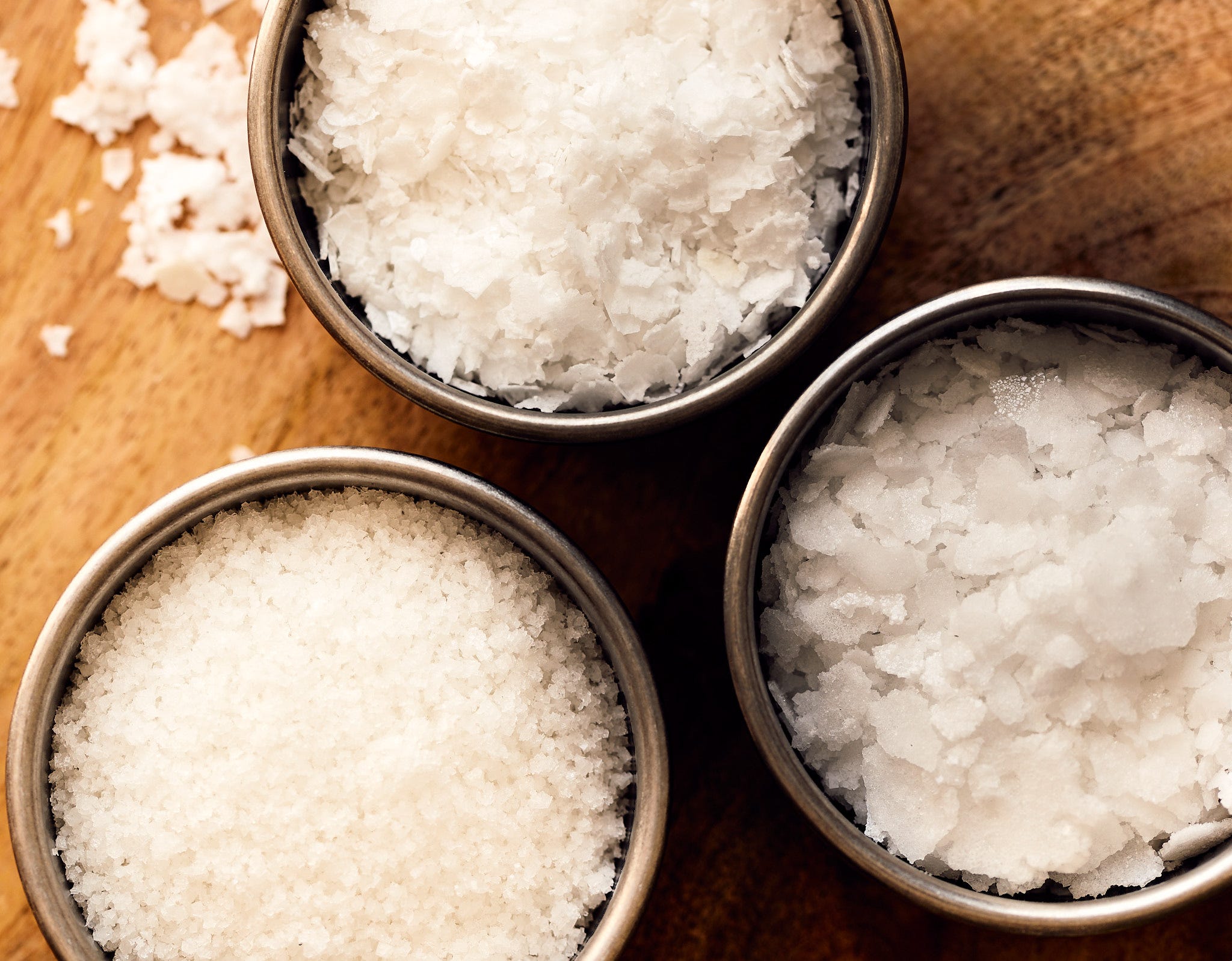
Growing up in South Africa I can only recall two types of salt, fine or coarse. Probably Cerebos. My salt palate (and collection) has developed significantly since those days. And I keep learning more about this fascinating mineral, its sources, stories and uses. When my daughter was in Nepal a while back, I naively asked her to look out for some good Himalayan salt, a logical conclusion you would think, Nepal, Himalayas. Well apparently Nepal in fact doesn’t have many salt sources of its own and her friend’s family had no idea what she was talking about. They ended up very kindly buying me a bag from a health store, imported from a distributor in India. Anyway - I now know that it is in fact from Pakistan, turns out assumptions don’t always mean you know the answer!
Wanting to learn more about it, I came across the book Miracle of Salt by NAOMI DUGUID and started looking at this condiment a little differently after reading it.
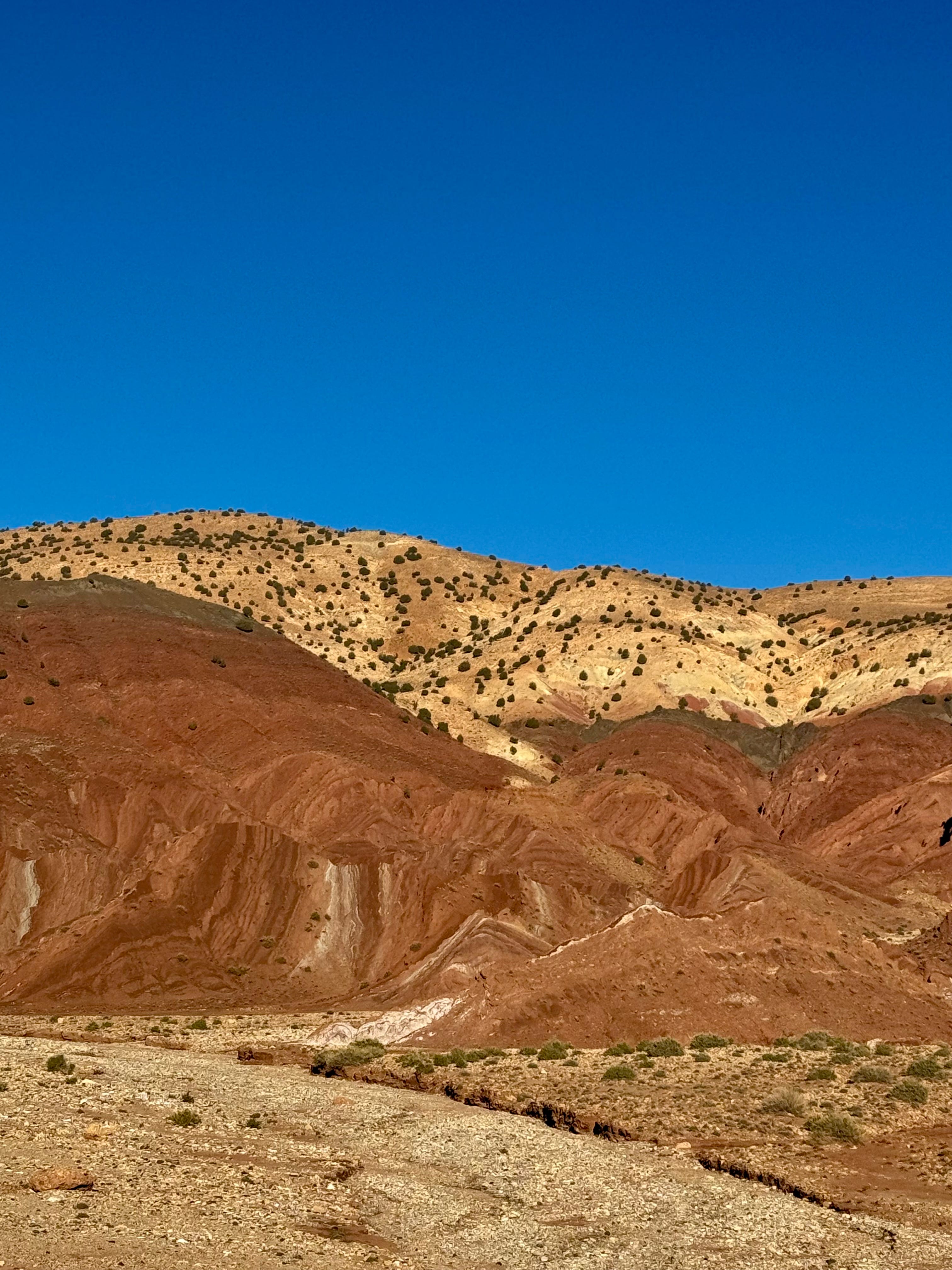
One of the sources of salt in the book was from the salt mine near Telouet in the High Atlas Mountains. We visited this fascinating area last year as we were on a trip through Morocco with visitors.
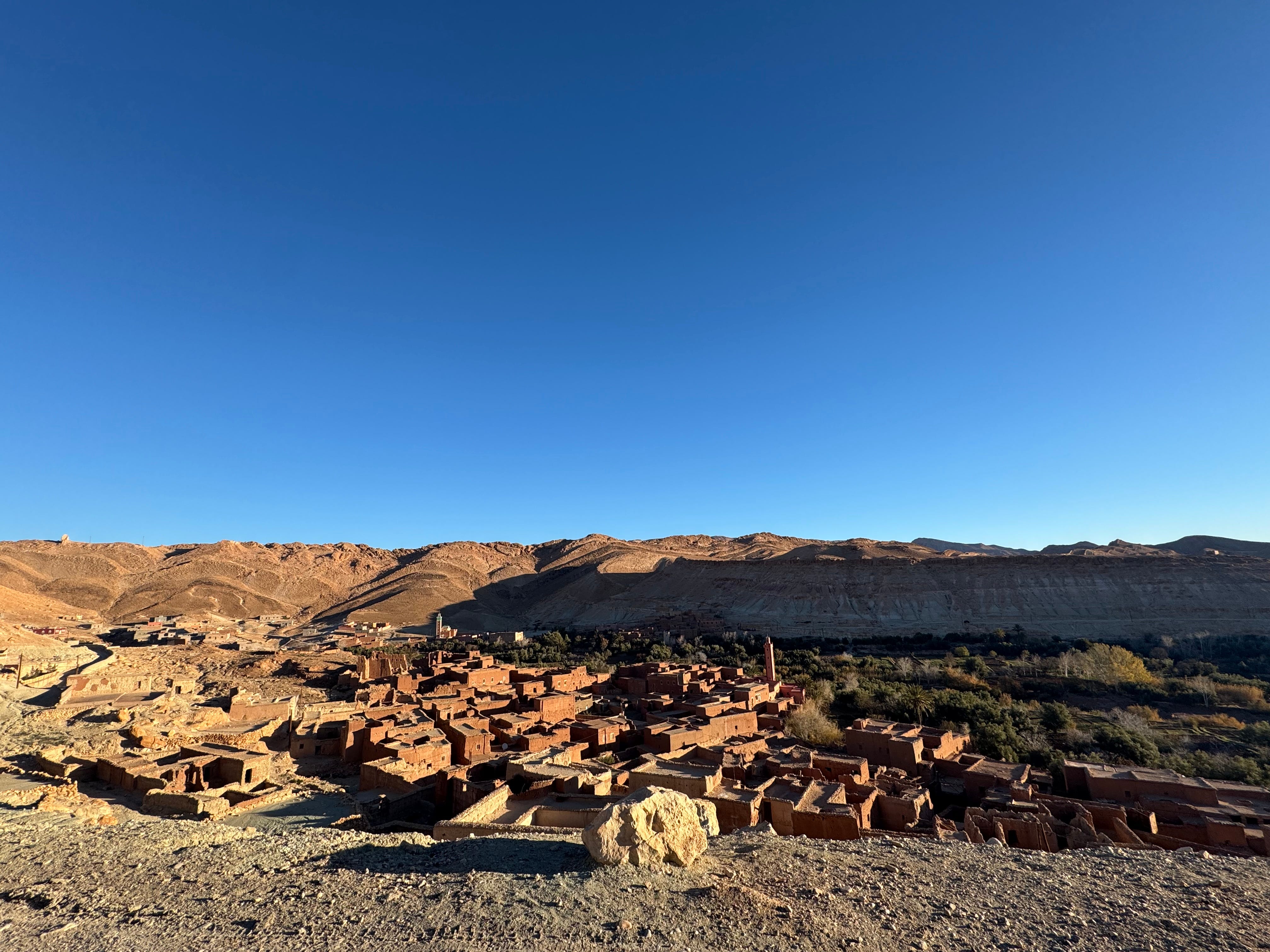
The small village of Telouet, sits at roughly 1,800 meters above sea level in Morocco’s High Atlas Mountains. It is slightly away from today’s well-trodden tourist paths. Once the center of camel caravan routes crossing the Atlas Mountains from the Sahara to Marrakech, it is now bypassed by the main Tizi n’Tzicha pass which runs from Ouarzazate to Marrakech, with tourists usually stopping in the nearby, more famous Ait Benhaddou. Its famed Kasbah was closed for repairs after the 2023 earthquake when we visited. This was one of the bases of the once powerful Glaoui dynasty who controlled the mountains and trade routes in this area, not always in the gentlest or most diplomatic way apparently. The barren mountain landscape, with its sweeping valley views and snow capped mountains gives little away about the village’s historic importance.
The village itself was very quiet on a random weekday morning in early January, yet as always in these majestic mountains, the hospitality unrivaled. There is something quite remarkable about these barren mountains and the people who live here. I know I say it about many places in Morocco, but the Atlas Mountains are definitely one of my favourite destinations to visit. Despite a clear lack of tourism at that time of year, with very chilly temperatures, we were welcomed with warm bread from the local ovens, mint tea, local olive oil and of course a shopping opportunity for some beautiful carpets, Amazigh jewellery and Touareg scarves.


A short drive from Telouet is a barely marked little slip road which leads to the old salt mines. We could not find anyone to show us around, and the abandoned structures seemed to indicate that it is closed, possibly due to the earthquake as well. We settled for wandering around, admiring the astonishing landscape and collecting little bits of salt from the exposed veins.


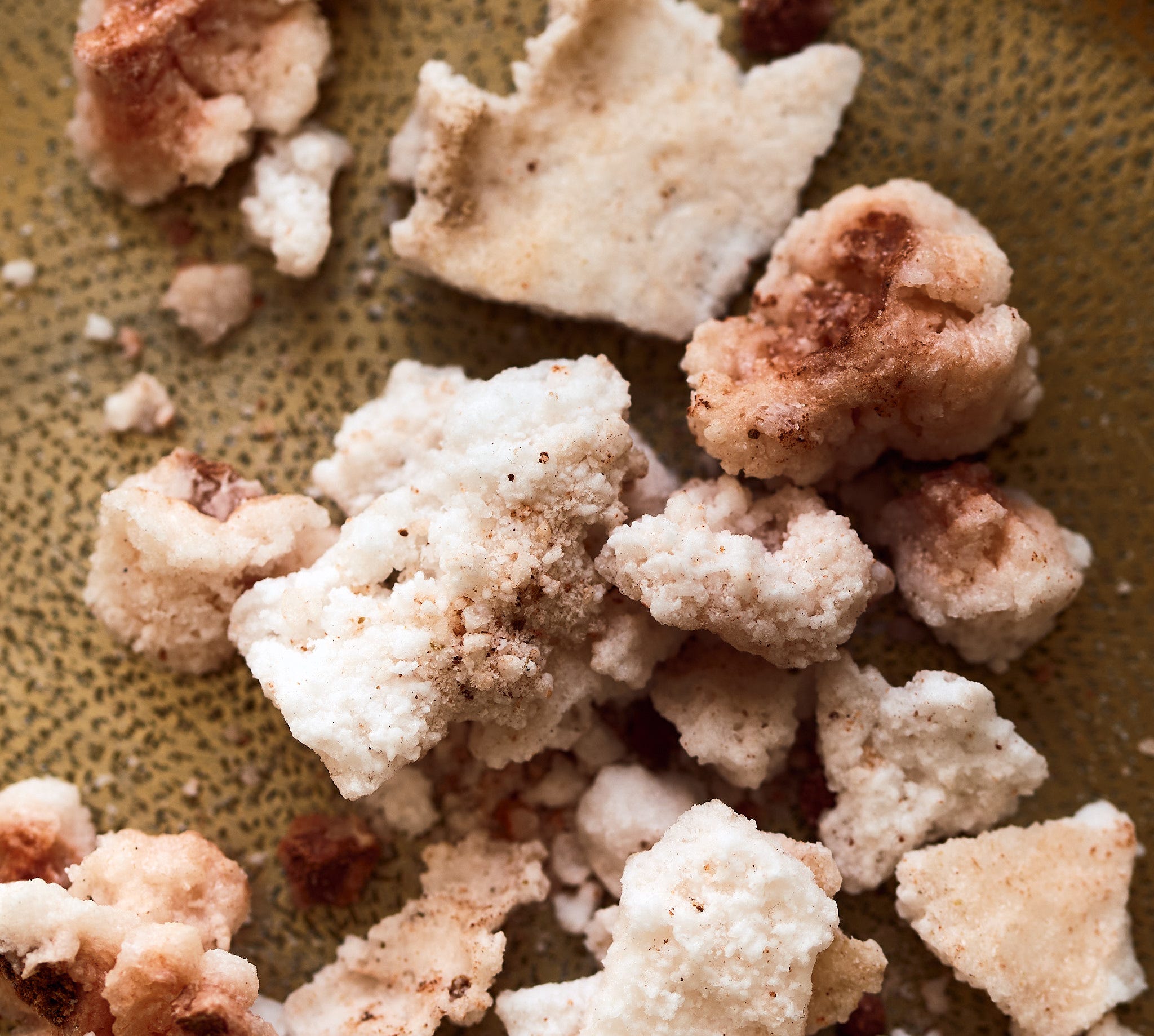
Morocco also has other sources of salt, including that from Zerradoun (Brikcha), in the foothills of the Rift Mountains and several commercial saltworks along the Atlantic and Mediterranean coasts.
Further reading :
In Season
It’s that point of the summer where the variety of fruits are starting to thin out, the price of peaches, cherries and apricots are going up as supplies dwindle, melons and grapes are still to be found in abundance but not much else.
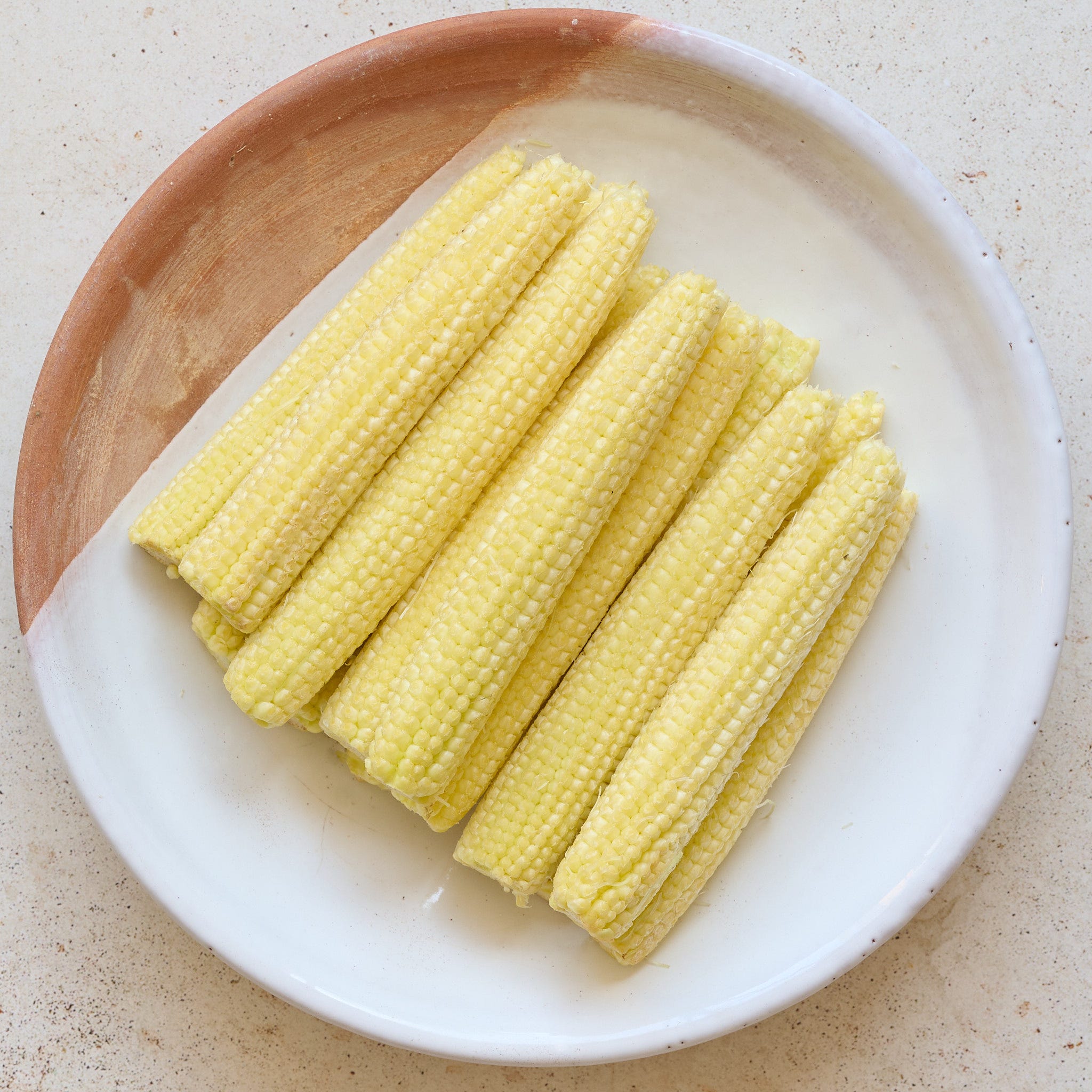
A good find this week though in the vegetable section, locally grown baby corn which you don’t see very often here. One of my favourite things in South Africa, so happy to find it.
On the menu
I have said this before, the adaptation from cooking for many to one or two is hard. I also cook for people as a way of expressing my love, so when I lack the willing recipients of these meals (three labradors don’t count despite the fact they are always looking for food!), I am less motivated to cook. I think I ate the same Banh Mi with the ingredients that I prepared for Monday three days running. Not the worst thing to have on repeat!
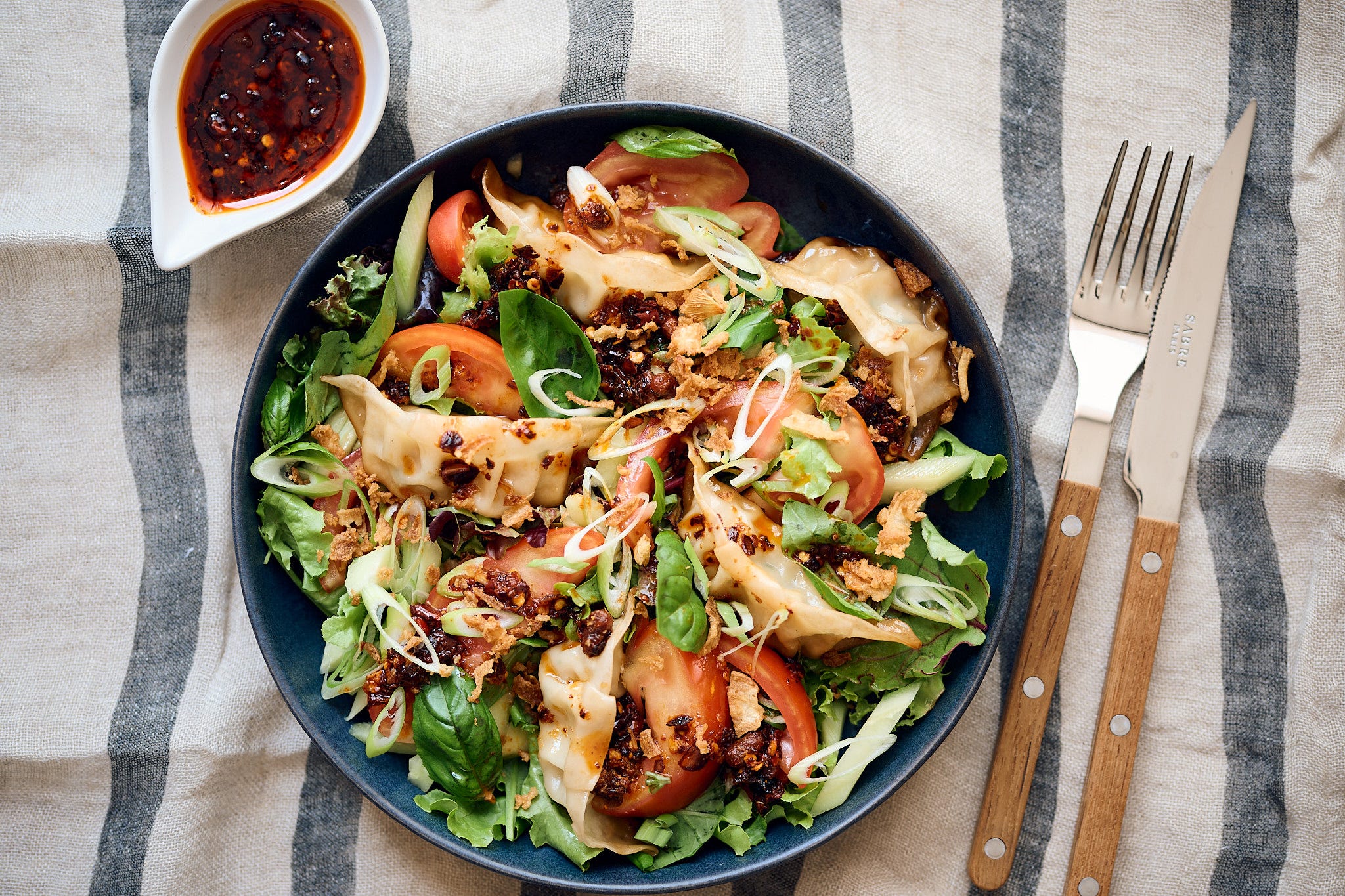
I did make this lovely salad that I adapted from this recipe - Dumpling Tomato Salad with Chilli Crisp Vinaigrette - I subbed in some greens and cucumber as the original had a few to many tomatoes for my liking. Tasty and easy to prep for just one person with ingredients from the pantry and freezer.
Books and Travel
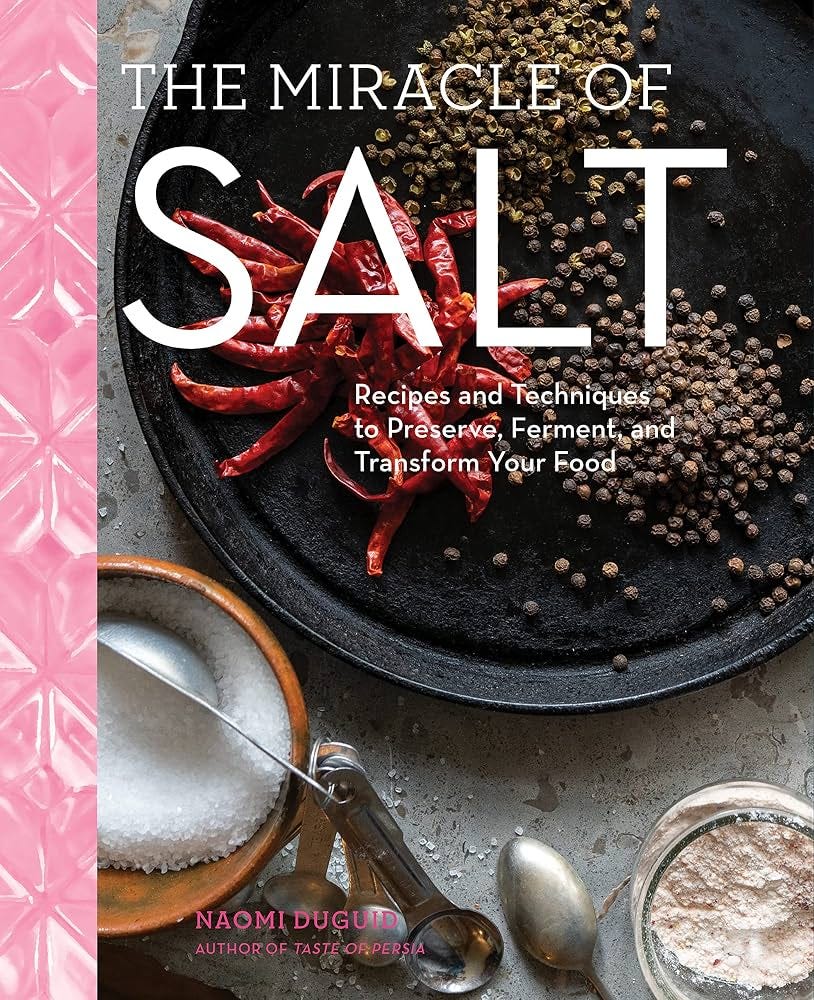
The Miracle of Salt by NAOMI DUGUID
The Miracle of Salt is a wonderful book for someone looking to explore the diverse history and use of salt. A nice combination of theoretical knowledge, travel and useful recipes and techniques. It is also an easy to use, practical guide to preservation, brining, curing, and fermenting which I have used often.
The book ties recipes together with essays from global salt producing regions. I do like the link to places in Morocco, like the Telouet mines and Sijilmasa which is also in modern day Morocco, a once wealthy city which was the center of trade and commerce in salt, slaves and gold in the region which Ibn Battuta wrote about. The ruins are still there 500 years later, possibly a reason for another road trip!
Another salt related book on the to read list :
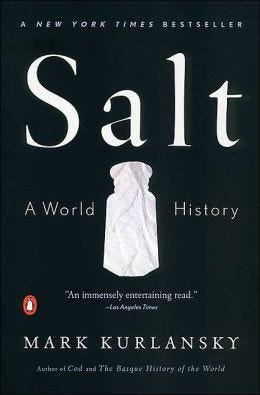
Salt : A world history by Mark Kurlansky
And lastly, not food related but a book about the Glaoui Empire in Morocco - Lords of the Atlas by Gavin Maxwell.

Until next week,
Wendy
I'm so glad you went to Telouet...and that you find my Salt book a pleasure. Big thanks ☀️☀️
We were just asking ourselves why it's called Himalayan salt so thanks for answering! Our salt here is called Messalonghi and it's from the salt lagoons just above the Peloponnese. Our favourite salt memory is buying from a lady in Lalibela salt from the Danakil depression, the lowest place on earth!